Failed Stormwater Drain Line Repair and Erosion Control in Jackson
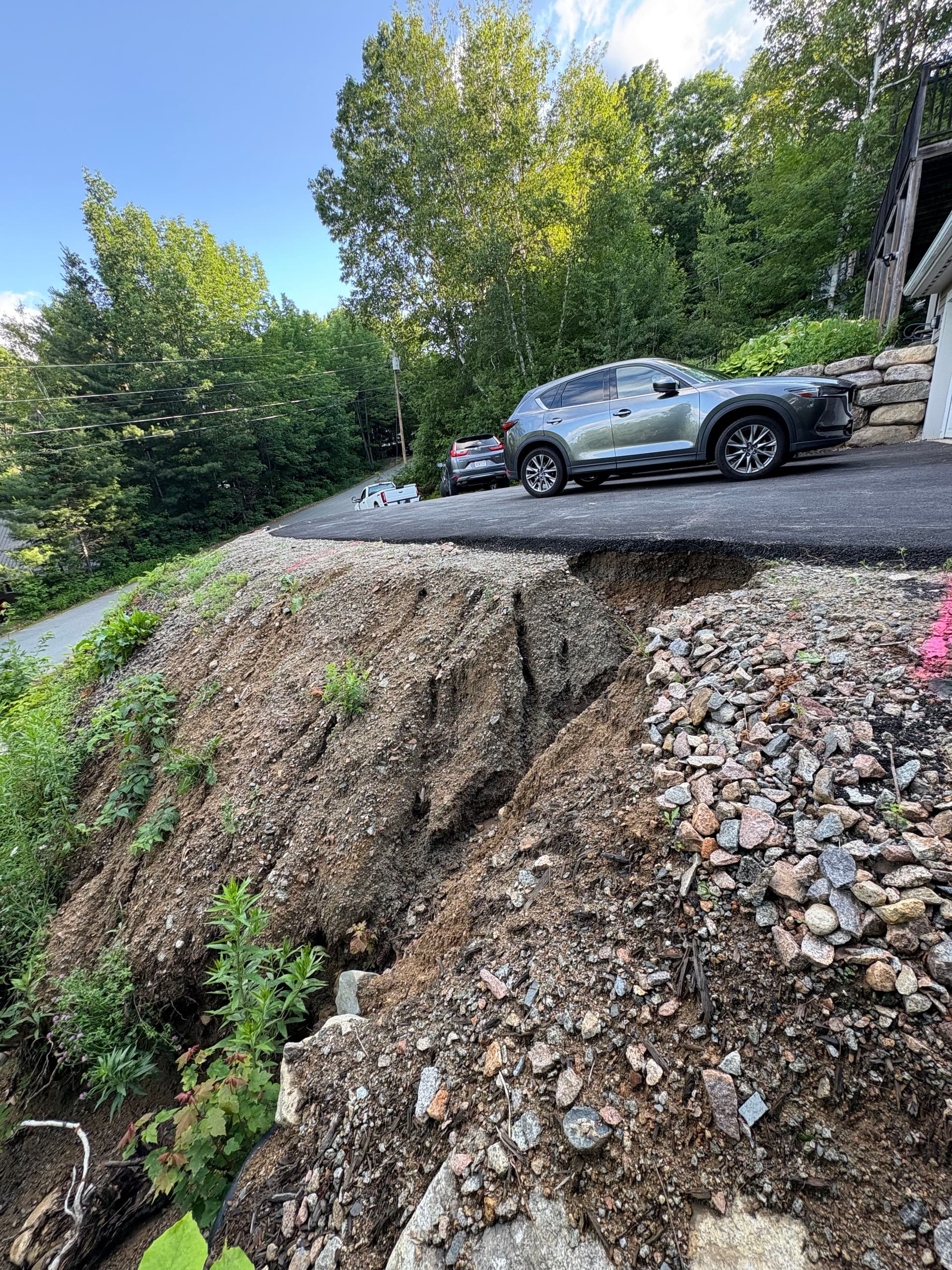
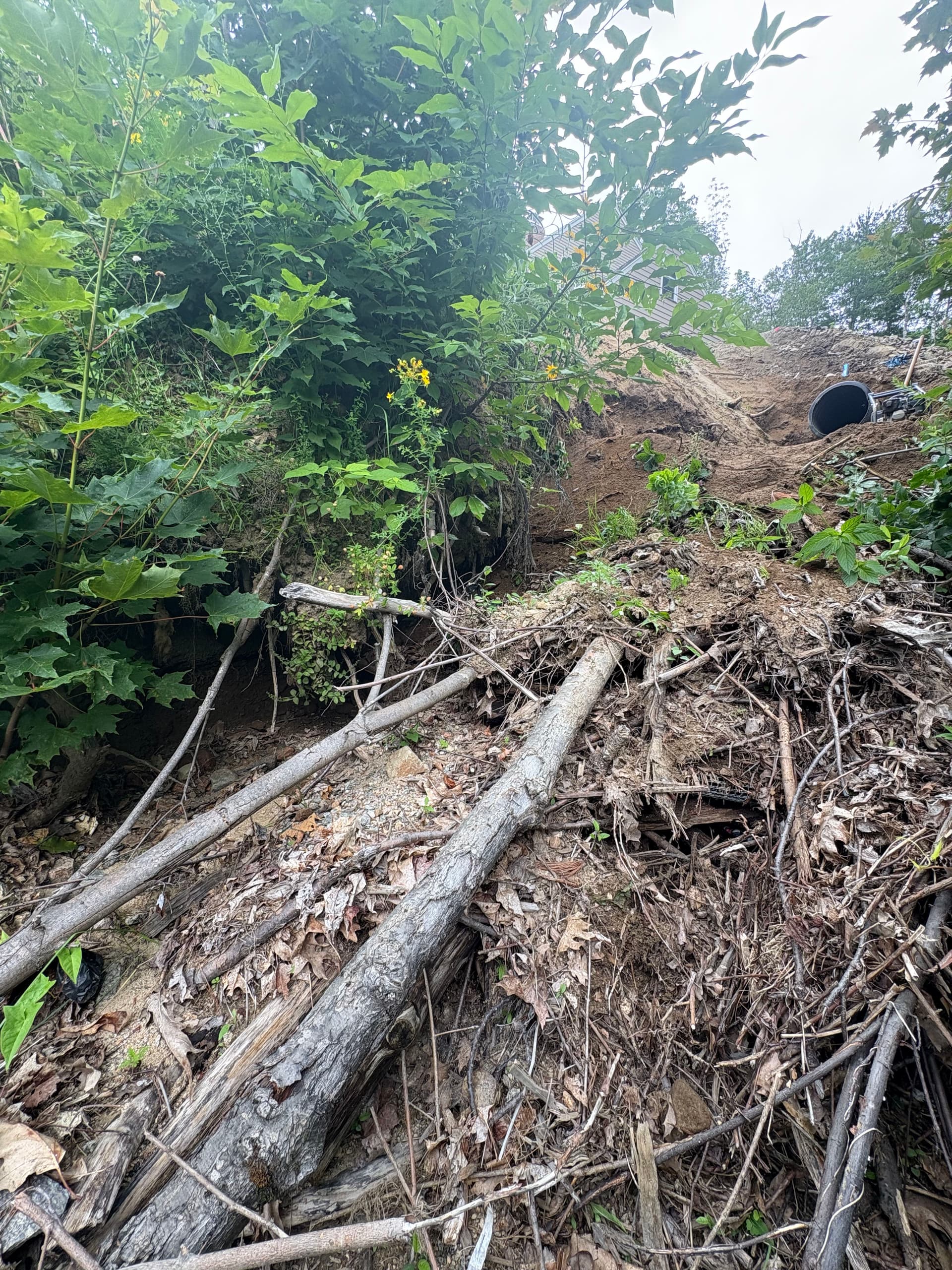
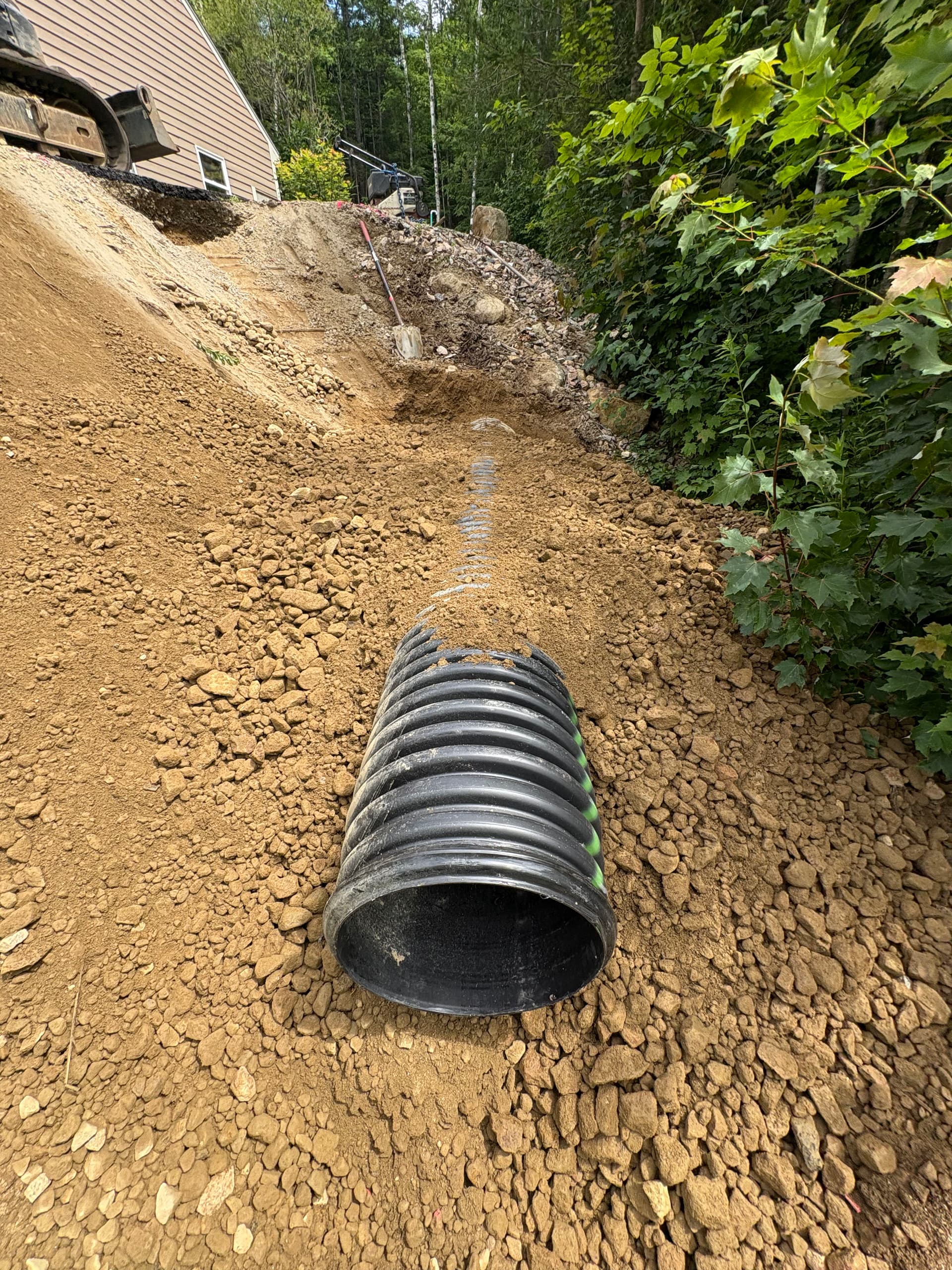
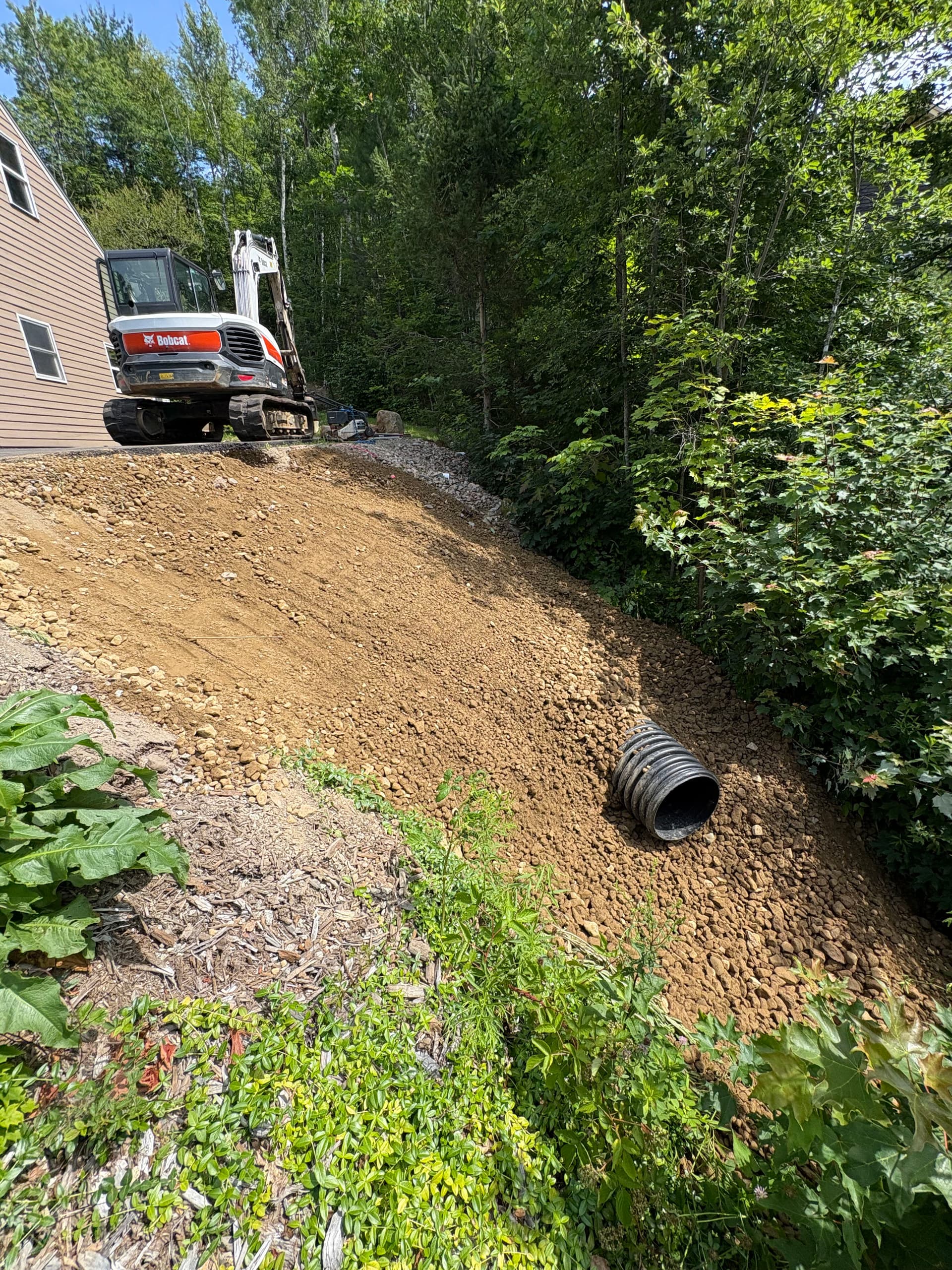
Water doesn't ask permission. When a stormwater system can't handle the volume hitting it, it finds its own path - and that path usually runs straight through your yard, slope, or driveway. That's exactly what happened here in Jackson. The original drain setup had failed, and the bank had washed out badly. We're talking a significant chunk of soil gone, debris field down the slope, and a driveway edge that was starting to look very unstable.
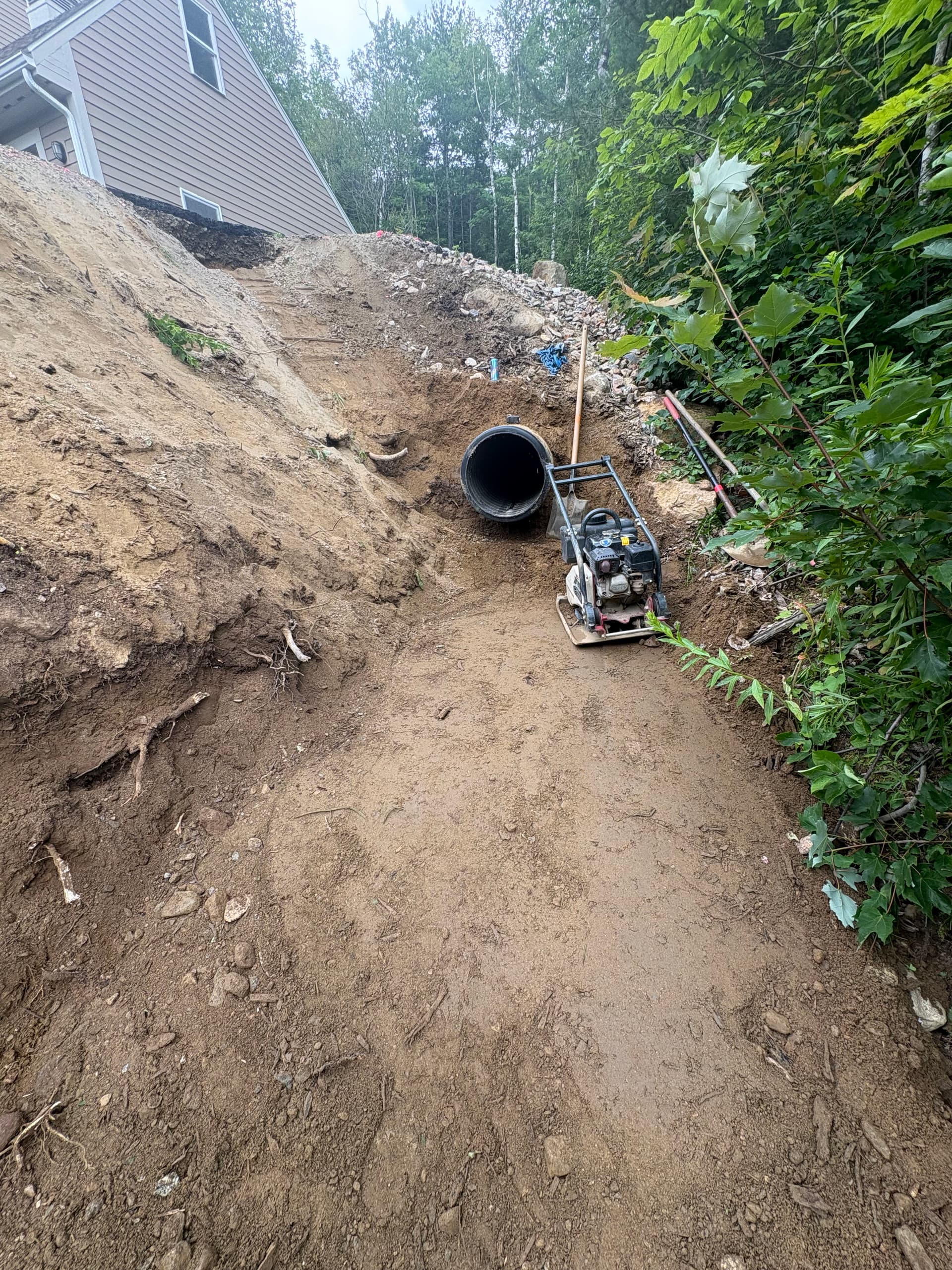
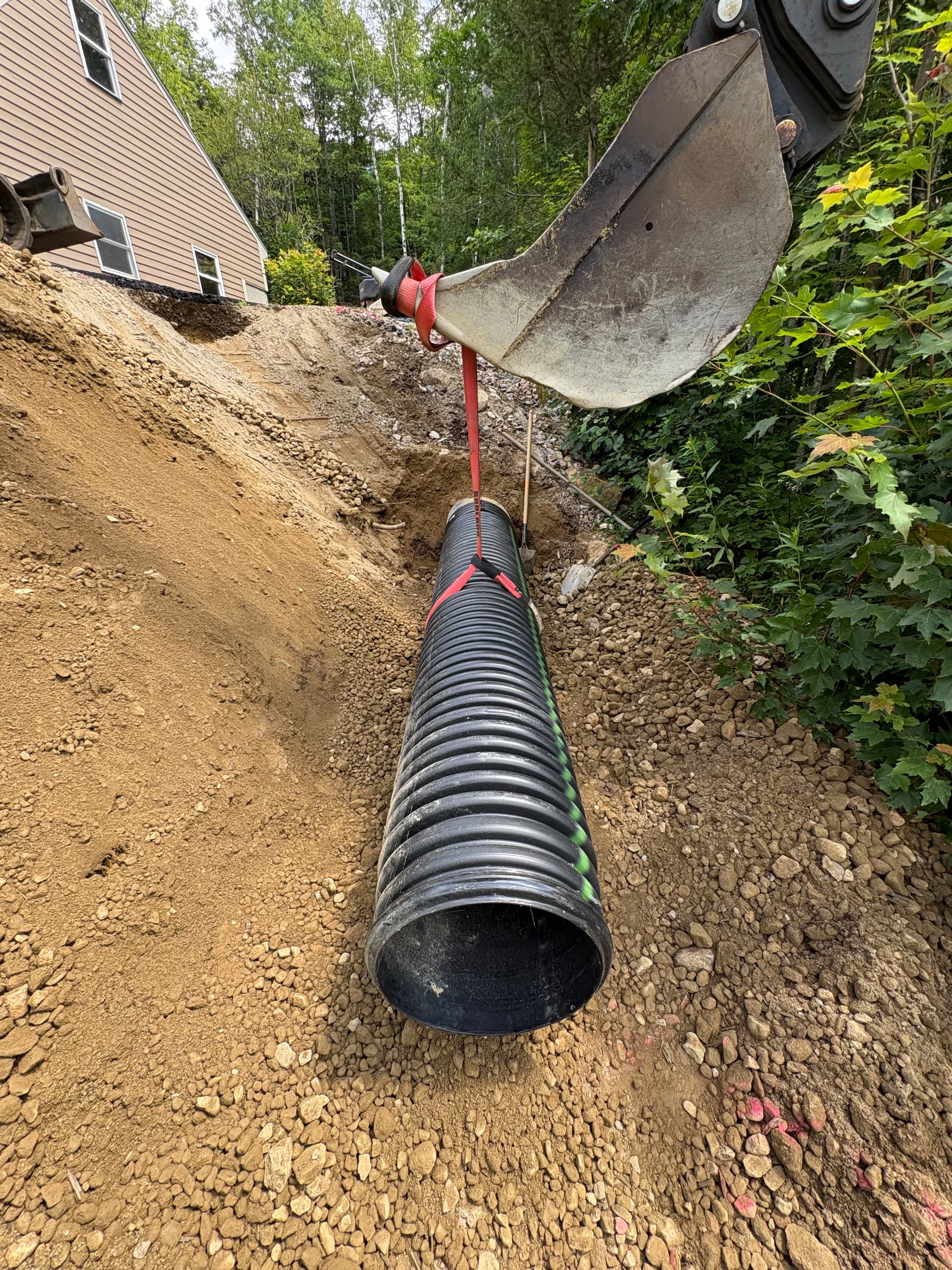
The first step was figuring out where the water was actually going and why the existing system gave out. The drain line wasn't getting stormwater far enough away from the structure, so it was dumping right at the base of the slope. Once that happens, the soil underneath starts moving. It's slow at first, then it isn't. We extended the drain line to get the discharge point where it needed to be - away from the problem zone entirely.
With the drainage rerouted, we went after the washout itself. That meant excavating back into the slope, cleaning out the debris and failed material, and rebuilding the grade. We used a plate compactor to tighten everything up before adding material back - skipping that step is how repairs fail. The slope needed a solid base before anything else went on top of it.
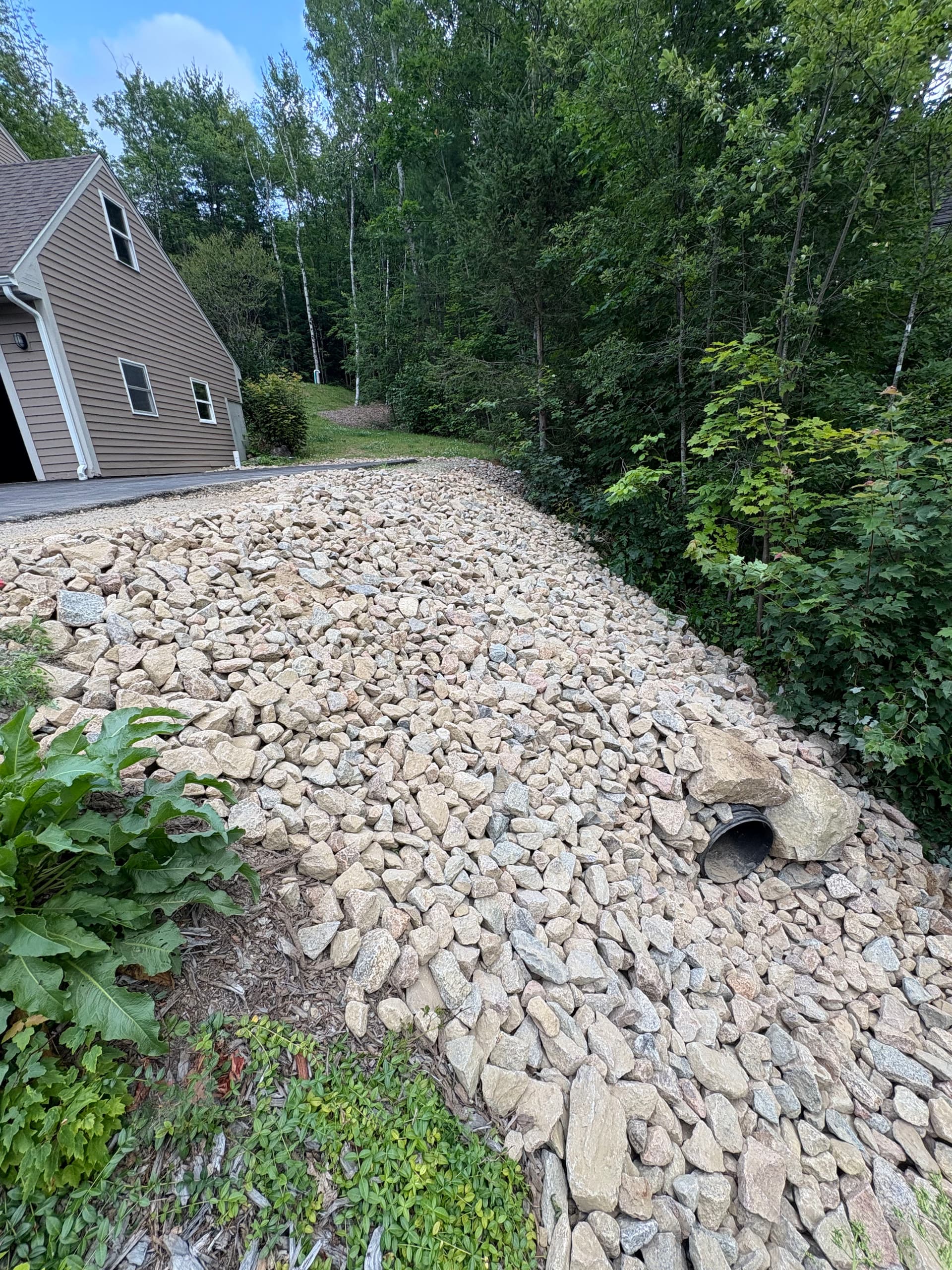
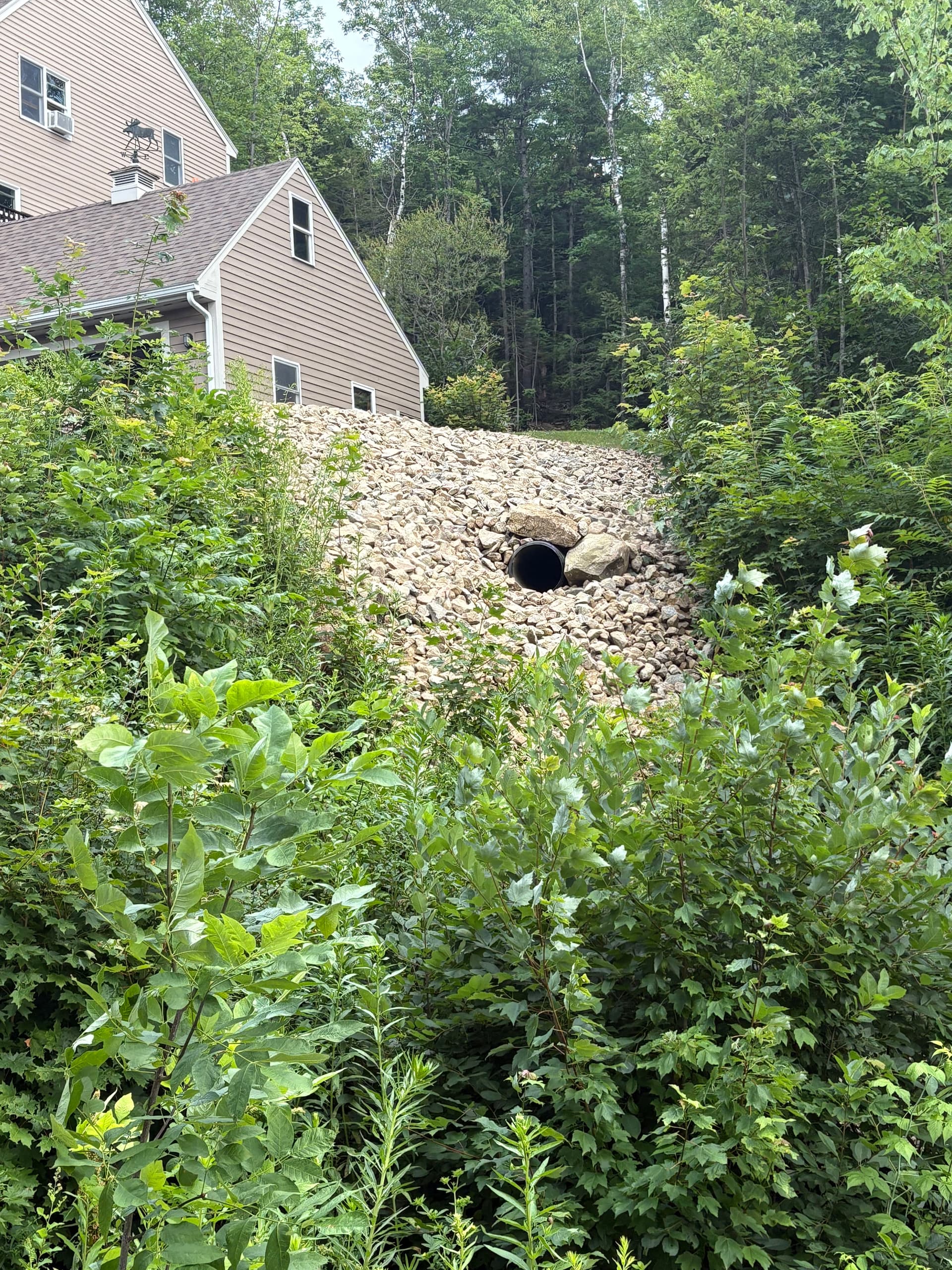
For the final layer of protection, we armored the bank with 6-inch rip rap. This is the part that really does the heavy lifting. Rip rap - large, angular stone - absorbs and disperses the energy of moving water. Bare soil can't do that. When stormwater hits an unprotected slope, it picks up speed and takes material with it. The rip rap locks everything in place and lets water pass through without tearing up the ground underneath. It's one of the most reliable erosion control methods out there for a situation like this.
The result is a drainage system that actually handles stormwater the way it should, a repaired slope, and a bank that's built to hold up through heavy rain events. A failed drain setup is one of those problems that gets worse every single storm until it's addressed. The longer it runs, the more material you lose - and the bigger the repair bill gets.