Underground Heating Oil Tank Removal at a NH Lakefront Property



Old buried heating oil tanks are one of the most common deal-killers in New England real estate. A buyer's inspector flags it, the lender gets nervous, and suddenly a straightforward home sale turns into a months-long headache. That's exactly the situation this lakefront property owner was facing - and we were brought in to handle it the right way.
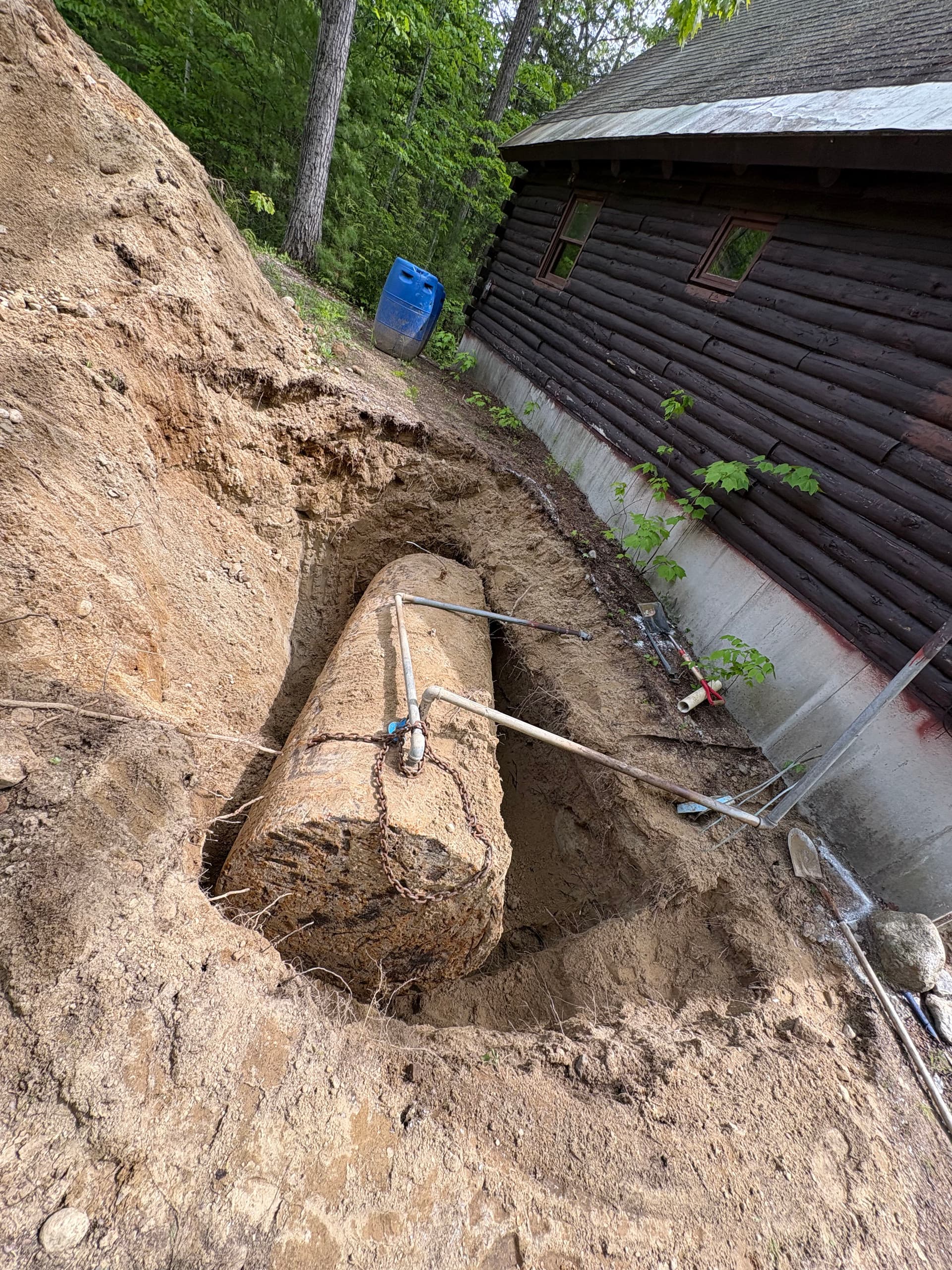
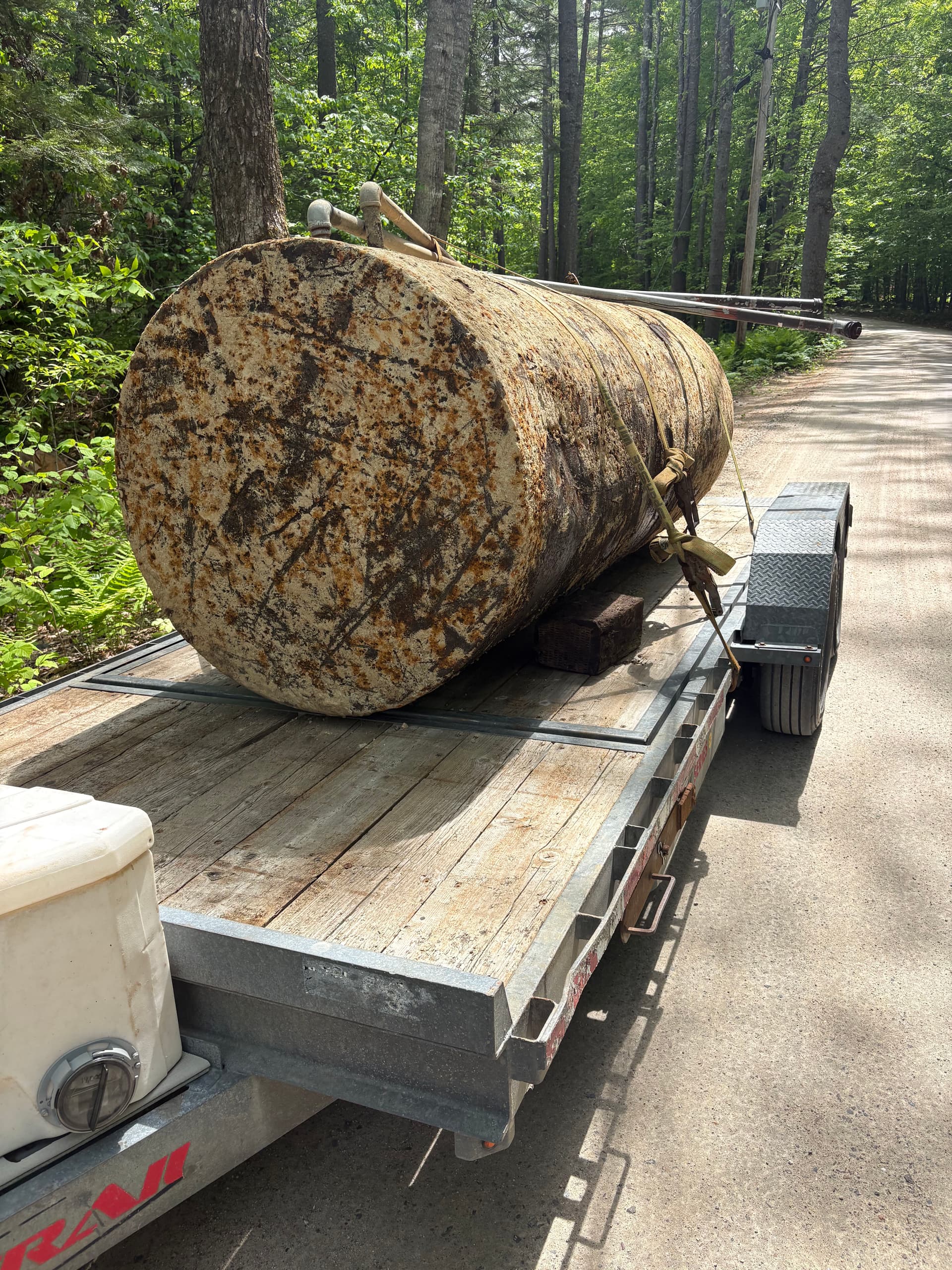
We started by carefully marking out the tank's location on the surface before any digging began. From there, our CAT mini excavator opened up the ground alongside the log cabin foundation. What came out was a heavily corroded 1,000-gallon steel tank that had clearly been in the ground for a long time. You can see just how rusted and deteriorated the exterior had become - the kind of condition that raises real contamination concerns if it's left to sit any longer.
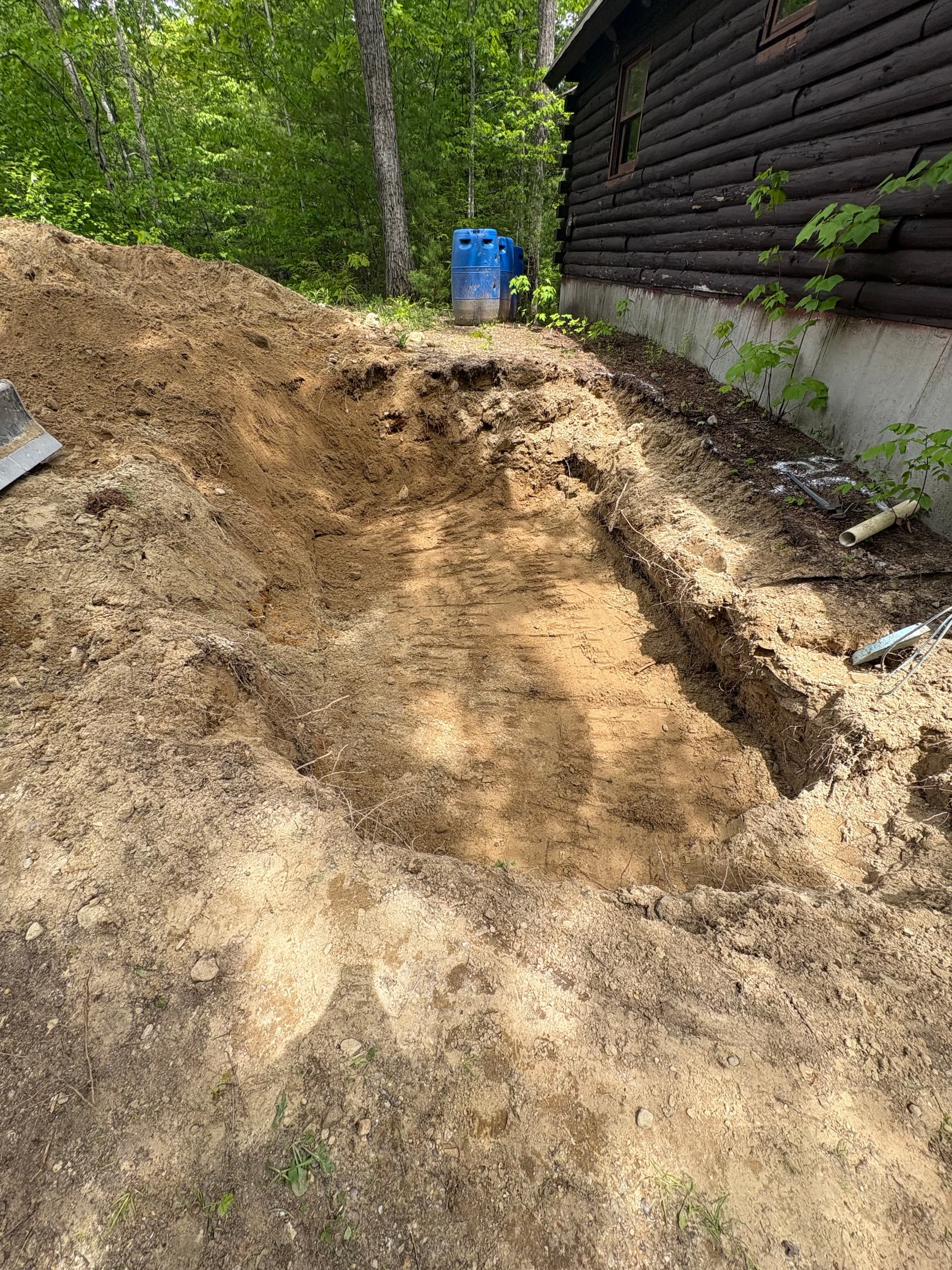
The excavation had to be precise. We were working close to the foundation wall of the home, so there was no room for sloppy digging. Once the tank was fully exposed and lifted out, we checked the surrounding soil carefully. No contamination was found - which is the best possible outcome for everyone involved, especially on a lakefront lot where environmental sensitivity is high.
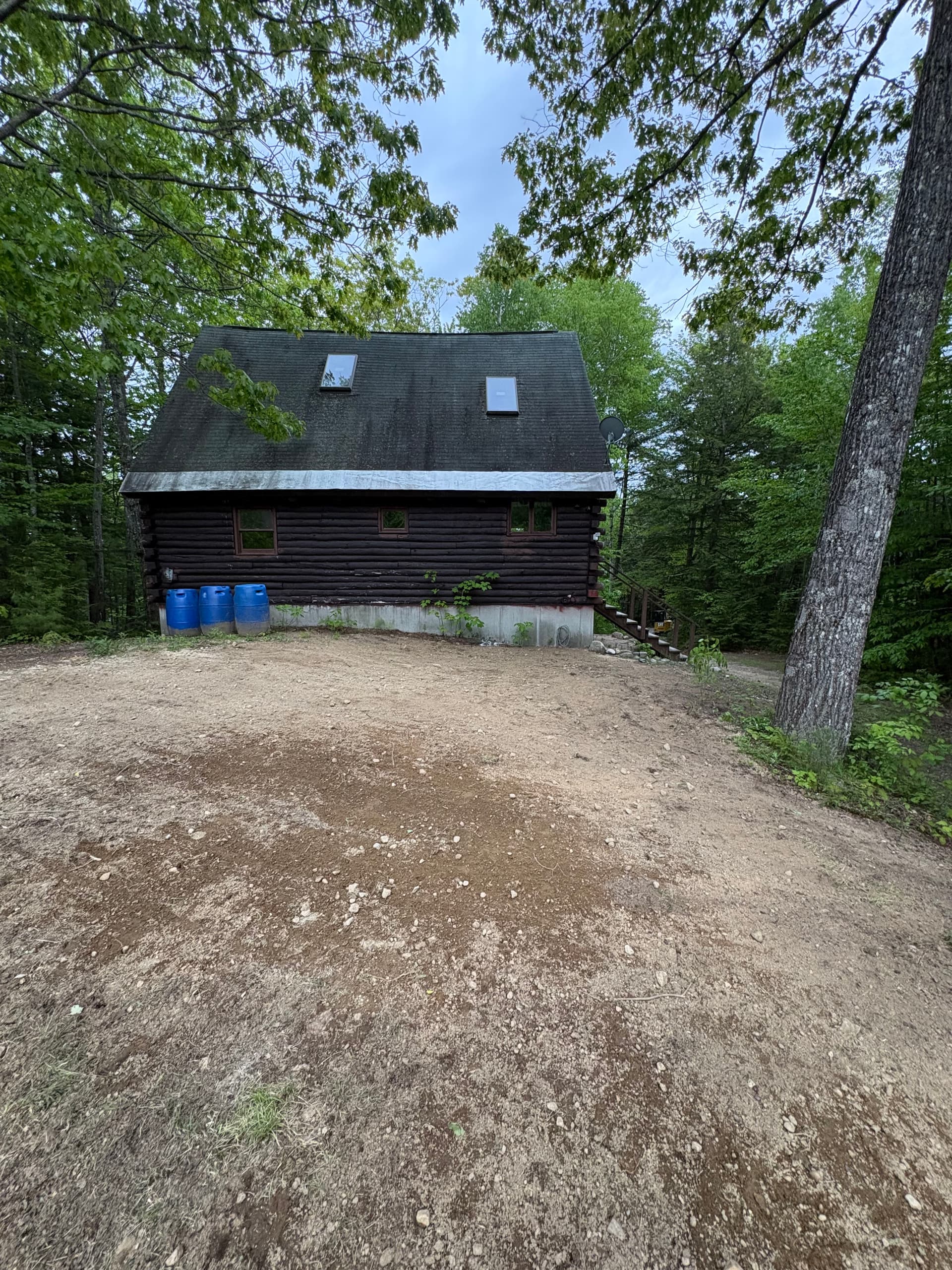
After the tank was loaded onto the trailer and hauled off the property, we backfilled the excavation and graded the area clean. The site went from a big open pit back to a level, tidy yard alongside the cabin. For the seller, that meant a clean bill of health on the tank issue - no remediation, no delays, no added costs holding up the sale.
If you've got an old buried oil tank on your property - whether you're selling, buying, or just want the peace of mind of knowing what's under your yard - this is the kind of work that needs to be done right. Cutting corners on a job like this can create environmental liability that follows a property for years.